

Our Curriculum Drivers are to promote resilience, develop communication and ensure all pupils have access to all learning possibilities both in and out of the classroom.
Intent
Our Curriculum Intent is for pupils to know more, do more and learn more.
At John Scurr Primary School, we believe that learning a modern foreign language supports our children to understand and appreciate the diversity in their own country and in the wider world. We intend that our children will learn to express themselves in French and understand the responses of their audience. They will appreciate the similarities and differences between French and English and develop the linguistic fluency to help them find their place as a global citizen.
Early Years and Key Stage 1
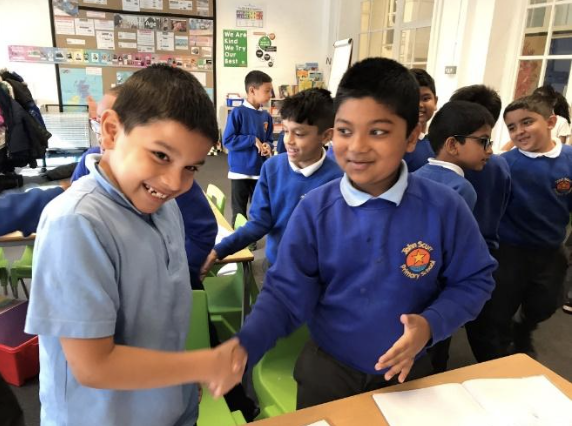
It is not statutory for Early Years, Year 1 and Year 2 to learn a modern foreign language. However, the children in these phases will begin to develop an interest in French language and culture by participating in whole school events like French Language and Culture Day. They may also learn simple French songs as part of the classroom singing practice.
Key Stage 2
It is statutory for all children in Key Stage 2 to learn a modern foreign language. At John Scurr all children in Key Stage 2 have a scheduled weekly French lesson based on the Cusp Curriculum.
What Do We Teach
Year 3
- Block A Greetings and the classroom.
- Block B Numbers, Colours and Emotions
- Block C Introductions and Questions
- Block D Working together
- Block E Playing together
- Block F Eating together
Year 4
- Block A The Calendar
- Block B Colours, Numbers and Emotions
- Block C Items from daily life
- Block D Learning together
- Block E The natural world
- Block F Celebration
Year 5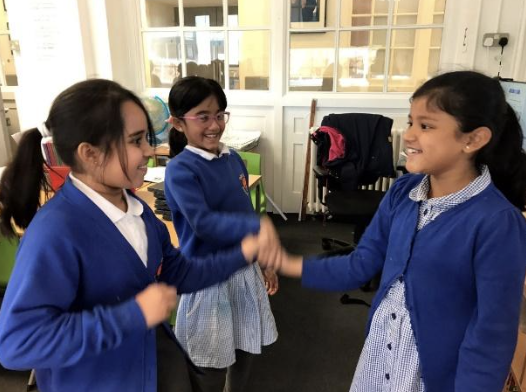
- Block A Local places
- Block B Emotions and numbers 0-100
- Block C Friends and family
- Block D Working together
- Block E Playing together
- Block F Eating together
Year 6
- Block A Where I live
- Block B Emotions and numbers beyond 100
- Block C Items from daily life
- Block D Learning together
- Block E The natural world (the environment)
- Block F Visiting France
Links To Other Learning
Cusp French lessons make regular connections to Geography so that the children develop a good understanding of the geographical position of France, its neighbours and other French speaking countries. Particular features of French history are taught to compare French and British systems of government. Cusp lessons also develop the children’s understanding of French culture and customs, including a focus on architecture, food and religious customs. The children also learn to appreciate traditional French songs, poems and rhymes.
How Do Pupils Learn
French is currently taught in 30 min weekly sessions, in each KS2 Class at John Scurr, with additional 5 min bursts of retrieval practice through the week. Cusp Curriculum French lessons primarily focus on vocabulary, phonics, oracy and reading and writing French. They follow the familiar lesson structure of CEEAAC: Connect, Explain, Example, Attempt, Apply, Challenge, which is used across the Cusp curriculum. As in other foundation curriculum subjects, knowledge organisers and knowledge notes are used to support the children’s retrieval of French vocabulary over time.
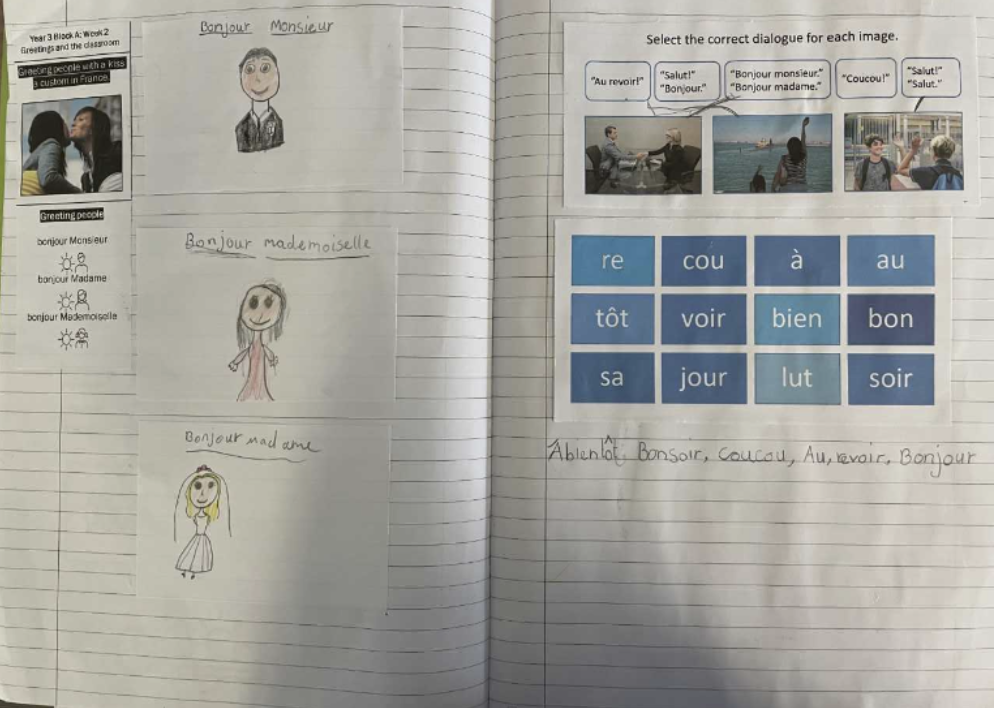

The French curriculum allows children to develop their ability to listen to French phrases and pronounce them, to read and write French, to gain an understanding of French grammar and finally to develop intercultural understanding through the exploration of wider French culture.
French lessons allow children the opportunity to retrieve and revise previous learning regularly and to develop their knowledge of new French vocabulary. Children are encouraged to participate in mostly verbal activities to listen to and refine French pronunciation. They enjoy participating in games and oral discussion to improve their pronunciation. They will also record their ideas when creating grammatical sentences in French.
How Do We Know What Pupils Have Learned?
- Questioning
- Retrieval practice
- Oral Feedback
- Each lesson is recorded using a knowledge note as a reference for the learning in that lesson.
- Talking to teachers
- Low stakes ‘Drop-in’ observations
- Pupil Book Studies which allow time for the MFL lead to interview children from every class to check their knowledge and understanding of the French lessons taught so far that year.
How Does The Curriculum Progress?
Progression within the French curriculum allows children to build on a growing bank of French vocabulary and phrases. They develop their confidence in engaging in conversations, in asking and answering questions and in expressing opinions and responding to those of others. The children develop an understanding of the differences and similarities between the English and French languages and cultures.