

Vision Statement
At John Scurr Primary School, English sits at the heart of our curriculum – it is through language, story and text that children learn to form concepts, connect ideas and express themselves. Through literacy, in all its forms, children learn to both make sense of our rapid and ever changing world and understand their place within it.
At our school, we believe that a strong foundation in vocabulary is essential for every child's success. From the age of two, our pupils embark on an exciting linguistic journey. We teach them to use key vocabulary and explore the fascinating connections between words through etymology and morphology. This comprehensive approach ensures that by the time they complete their primary education, they possess the language skills necessary to comprehend sophisticated texts and express themselves confidently in any situation. Our commitment to vocabulary development empowers our students to thrive academically and socially, setting them up for a bright future.
We have an ambitious, fulfilling and rewarding English curriculum that provides purposeful opportunities for speaking, reading and writing. Our English curriculum is taught, using CUSP (Curriculum by Unity Schools Partnership) from the very start of their journey in our two year old provision through to the end of their time at John Scurr in year six. This ensures that all children are seamlessly prepared for the next stage in their learning. The CUSP Curriculum has been deliberately designed using the latest evidence-based research.
Oracy
Speaking is at the heart of every learning experience. We believe that the quality and variety of language pupils hear and speak are vital for developing their vocabulary, grammar, and understanding of reading and writing. By continually fostering pupils’ confidence and competence in spoken language and listening skills, we equip them to lead successful, fulfilling lives.
Oracy is integrated across our curriculum using a structured framework. We teach children to respectfully discuss and explain their understanding using specific Oracy talk roles: launcher, builder, challenger, clarifier, prober, and summariser. Each classroom features a set of discussion guidelines that facilitate rich conversations and provide children with the confidence to share their ideas. We collaborate with Voice 21, CUSP Unity Curriculum and the Tower Hamlets Oracy Hub to embed Oracy skills throughout our curriculum.
"We believe all children, regardless of their background, are entitled to an Oracy education." - Voice 21
Oracy Assemblies
Weekly Oracy assemblies offer children the chance to debate and share their ideas with peers from different year groups. These assemblies involve mixed year groups seated in talking circles, discussing stimuli ranging from pictures and videos to stories and open-ended questions. Children lead the discussions, playing an active role in the assemblies.
"Oracy assemblies have helped me to talk to children in different year groups and improve the skill of inviting children into conversations." - Year 4
Oracy Enrichment Opportunities
As a Lead CUSP School, we have been invited to participate in the first ever Festival of Spoken Word in November 2024. This will be an exciting opportunity for all children from year one to year six to refine and develop their spoken language, listening and presenting skills.
For our Year 5 and 6 students, we provide additional opportunities to develop presentational speaking and debating skills via Debate Mate, an extra-curricular club. Participants proudly represent the school in borough-wide debating competitions, including the Urban Debate League and the Debate Mate Cup. Add a hyperlink to the Debate Mate Club
At John Scurr Primary School, we are dedicated to nurturing articulate and confident communicators, prepared to thrive in a diverse and dynamic world.
Reading 
Our foremost goal is to cultivate a life-long love of reading in every child. We approach the teaching of reading from multiple angles, ensuring we seize every opportunity to ignite a child’s interest in books.
Our carefully selected texts serve as mirrors, windows, and sliding doors for our students:
- Mirrors: Books that reflect the readers' own lives.
- Windows: Books that offer views into different lives and stories.
- Sliding Glass Doors: Books that transport readers into the story, fostering empathy for the characters.
Alongside our curriculum texts children also regularly take home 'Reading for Pleasure' books to share with their families. We encourage parents and carers to read these books several times throughout the week to foster a love for the story and develop a deeper understanding of story language.
Daily story time remains a cherished part of our routine for all children, enhancing imagination, helping children visualise spoken words, developing vocabulary, and fostering a lifelong love for reading. These sessions are designed to inspire and engage students, encouraging them to explore new genres and authors.
Reading in the Early Years
Our 2-Year-Old and Nursery Provision
Our aim is to ignite a love for reading and learning from the very start. We incorporate Structured Story times using CUSP Early Foundations, featuring core texts that introduce essential language, ideas, and themes, laying the foundation for future learning. Our curriculum is built on a framework of effective literacy instruction, ensuring your child receives the best start in their educational journey. This curriculum lays the foundations for the CUSP Curriculum throughout the school.
We carefully select books and place them throughout the learning environment, allowing children to access them independently. This approach not only fosters a love for books but also enables our practitioners to engage in interactive book reading. These interactions help develop communication skills with individuals and small groups of children, creating a rich and engaging learning experience.
We seize every opportunity to develop speaking and listening skills, as well as an understanding of rhythm and sound. These early foundations of phonics prepare children for developing oral blending and segmenting skills in reception.
Reception
In our Reception class, we build on the foundational literacy skills introduced in Nursery. We continue to teach structured story sessions featuring core texts that builds upon the key language acquired in our 2-year-old and nursery provision, ideas, and themes essential for accessing the foundational knowledge expected in reception. Our curriculum is grounded in effective literacy instruction, ensuring your child receives the best educational foundation.
We continue to place specially selected books throughout the learning environment, allowing children to access them independently. This not only fosters a love for books but also enables our practitioners to maintain interactive book reading as a key strategy for early communication. These interactions develop communication skills with individuals and small groups, enriching the overall learning experience.
In Reception, we introduce Sounds-Write, an expertly structured synthetic phonics program based on the science of reading. Children are sent home with decodable books that match the sounds they have mastered, allowing them to practise and develop fluency in reading. This approach enables the children to progress confidently in their reading journey.
Year One
In Year One, we continue our commitment to building strong reading skills through the use of the Sounds-Write phonics program. We send home both decodable books and books for pleasure, and we highly value daily story time. Our goal is to ensure that every child can read confidently by the age of six.
The school day in Year One begins at 8:45 with a dedicated reading session, where several staff members work with small groups of children. These sessions use carefully chosen decodable books, providing targeted support to develop reading fluency.
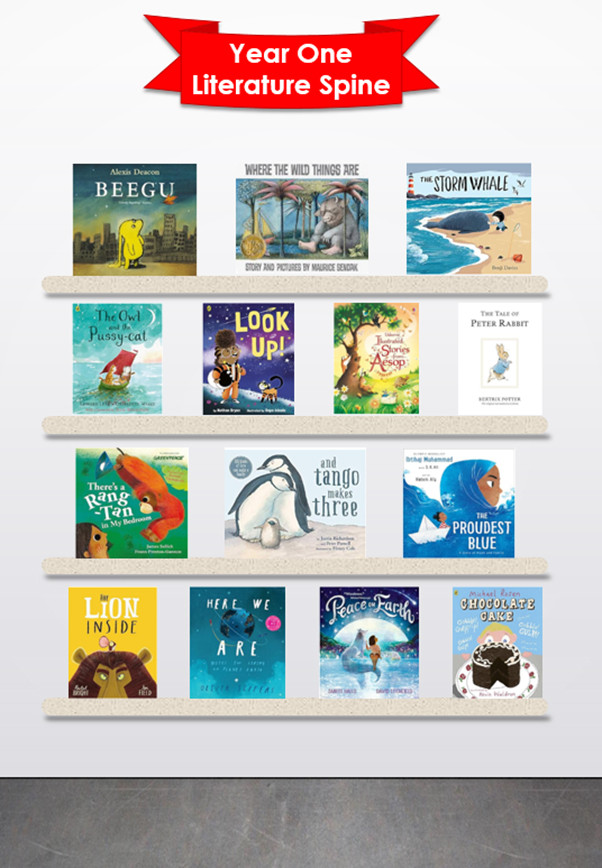
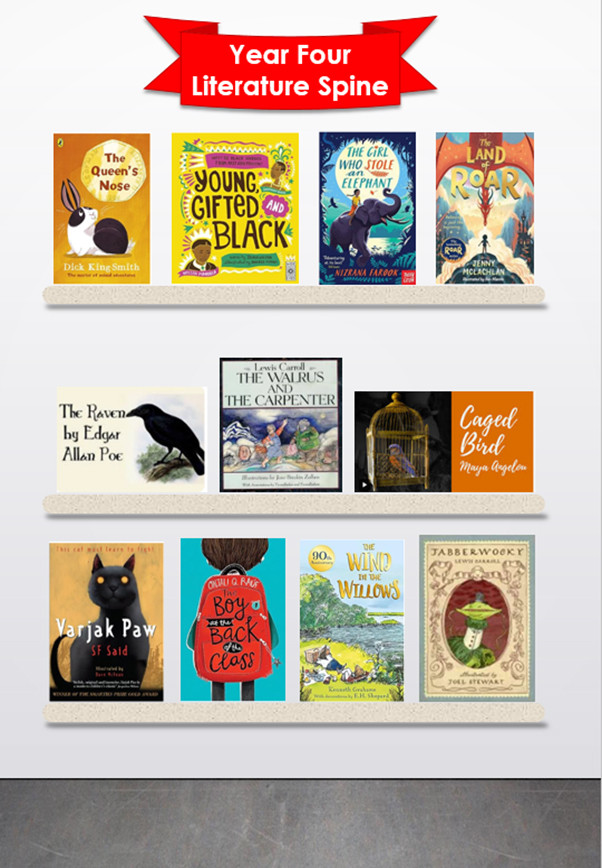
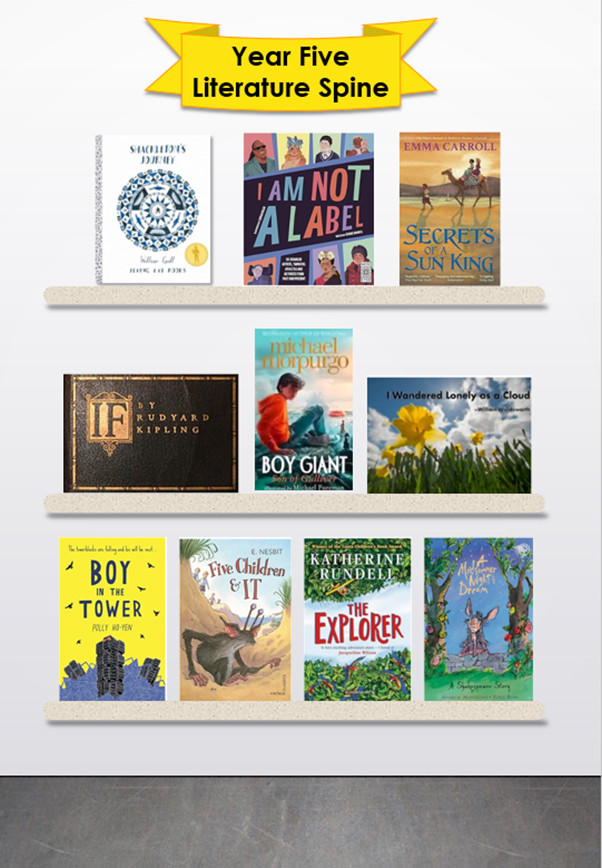
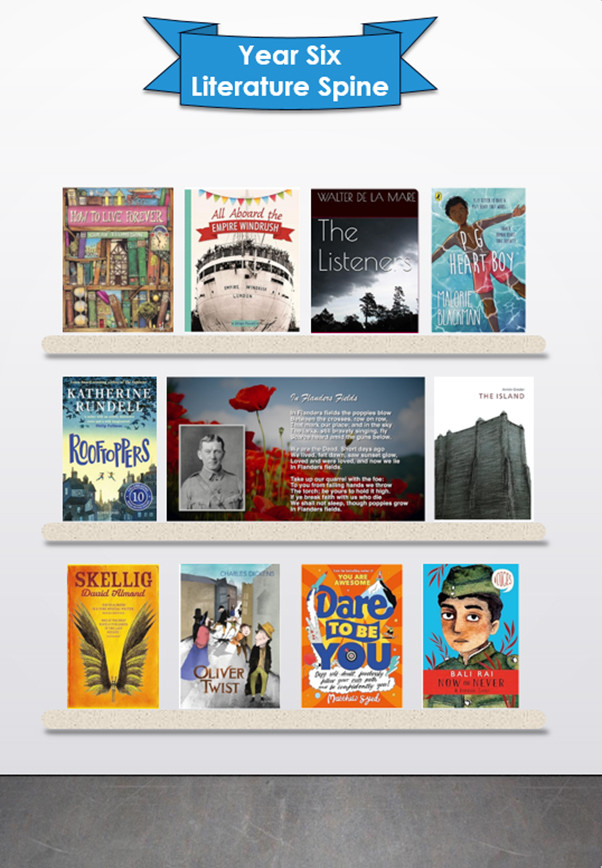
In Year One, children embark on the CUSP Literature Spine, a carefully mapped selection of texts designed to offer a breadth of experiences, authors, and themes. This program is harmonised with the wider curriculum, enriching learning across subjects. CUSP Reading introduces children to diverse high-quality, aspirational texts that not only foster a love of reading but also develop comprehension and oracy skills.
This approach nurtures a deep love for reading and helps children develop critical comprehension and communication skills.
Year Two
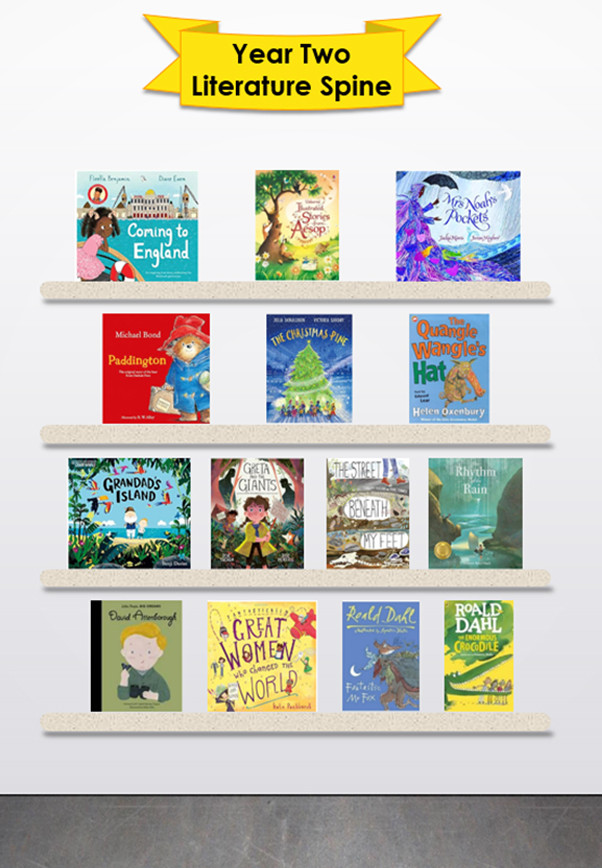
In our commitment to developing strong reading skills, we continue to use the Sounds-Write phonics program and provide decodable books for children who need them. Additionally, we send home books for pleasure, emphasising the importance of daily story time. CUSP Reading lessons take place daily and include explicit vocabulary instruction, deliberate fluency instruction and prosody training, explicit teaching of comprehension strategies and provide a clear focus on what children should know, be able to do and remember.
From Year Two onwards, our home-school reading program is centred around Accelerated Reader. This innovative program promotes personalised reading for pleasure by guiding children to literature at their level, assessing their reading comprehension, and rewarding their efforts.
The Accelerated Reader program allows teachers to track how often children are reading at home, providing valuable insights. This enables teachers to make personalised recommendations based on each child's favoured genres and introduce them to new and exciting literature.
Teaching Phonics
The Sounds Write programme is a clearly structured and easy to follow systematic, synthetic phonics programme. It teaches all key elements of conceptual understanding, factual knowledge, and the three essential skills of blending, segmenting and phoneme manipulation necessary for learning to read and spell and it does so on a daily basis until all children achieve the automaticity that underlies the fluency of every successful reader.
This ensures that at John Scurr, there is a consistent approach to teaching phonics. The Phonics Screening check takes place in June every year for Year 1 children. The children are expected to read phonetically decodable real and alien words. If a child does not pass the phonics screening check in Year 1, they will be given additional support in Year 2 and will be re-tested.
Key Stage 2 (year three to year six)
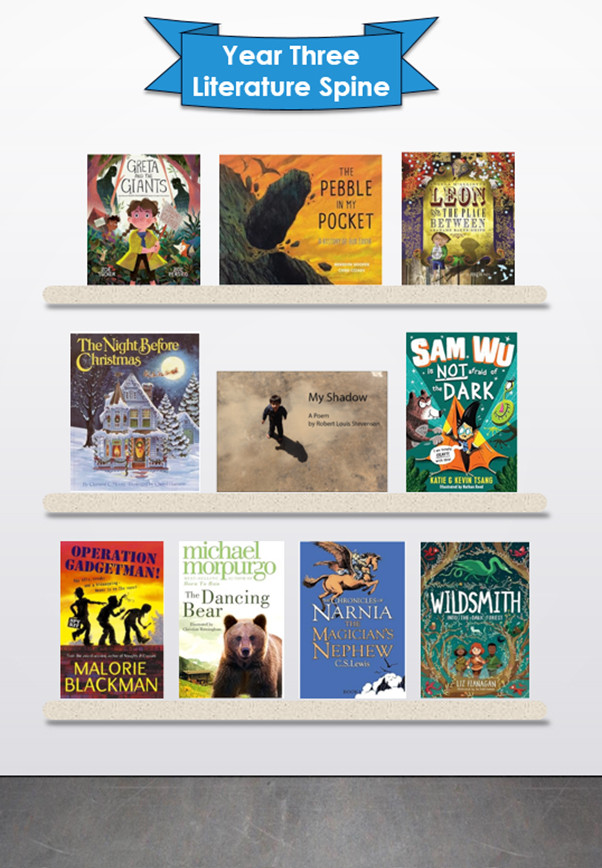
In Key Stage 2 (Years Three to Six), we continue to prioritise daily CUSP Reading lessons. These sessions include explicit vocabulary instruction, deliberate fluency instruction, prosody training, and comprehensive teaching of comprehension strategies. Our curriculum clearly defines what children should know, be able to do, and remember, ensuring they develop strong and lasting reading skills. We believe in nurturing a love for reading that lasts a lifetime. Our library is filled with an exciting array of high-quality texts, covering a wide range of genres including fiction, non-fiction, and poetry. With so many options to choose from, your child will be inspired to explore the magical worlds of storytelling and gain valuable insights into the world around them. But the benefits of reading extend beyond the pages of a book. By immersing themselves in diverse texts, our students make connections that enhance their understanding of various subjects across the curriculum. From history to science, literature enriches their learning experience and fosters a deeper appreciation for the world we live in. Encouraging children to read daily fosters a lifelong love of literature and enhances their overall learning experience. The Accelerated Reader program plays a key role in tracking effort and attainment in home reading. It assesses children's comprehension of more aspirational texts, helping them to improve their reading skills progressively. This program provides teachers with valuable insights into each child's reading habits and comprehension levels.
Reading enrichment
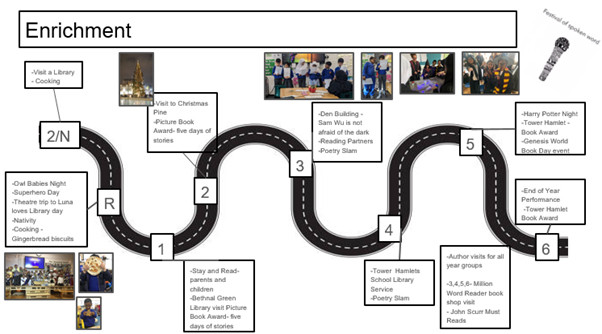
At John Scurr we offer the children as many opportunities as possible to enrich their reading experiences. Here are some examples:
Writing in the Early Years
Our 2-Year-Old and Nursery Provision
At John Scurr Primary School, we understand that the journey to becoming a confident writer begins early. In our 2YO and Nursery provision, we focus on developing the essential skills that form the foundation for writing. This includes gross motor, fine motor, and expressive language skills.
Our approach incorporates:
- Continuous Provision: Engaging activities that are always available to encourage skill development through play.
- Enhancements in the Learning Environment: Thoughtfully designed spaces and materials that stimulate exploration and learning.
- Targeted Adult Input: Guided interactions that support and extend children's learning experiences.
These opportunities are carefully planned using the CUSP Foundational Knowledge curriculum, ensuring that every activity is purposeful and contributes to the development of writing skills. By focusing on these key areas, we prepare our youngest learners for a successful transition to formal writing instruction.
Reception
In our Reception class, we continue to build on the foundational literacy skills introduced in 2YO and Nursery. We focus on further developing communication and language abilities, as well as refining the fine and gross motor skills acquired in our 2-year-old and Nursery provision.
In Reception, we introduce Sounds-Write, an expertly structured synthetic phonics program based on the science of reading and writing. This program helps children segment words, laying the groundwork for early spelling skills. Alongside this, we use Kinetic Letters to teach the correct formation of letters. These skills develop fluency in writing.
Children also engage in weekly writing lessons where structured story time texts are used as stimuli for writing with purpose and meaning. These integrated approaches develop strong literacy skills, setting them up for continued success in their educational journey.
Year One - Six writing journey:
In Year One, we continue our commitment to building strong reading skills through the use of the Sounds-Write phonics program.
We are dedicated to enabling our students to become confident and effective communicators who can engage meaningfully with the world around them. Through our CUSP English provision, we aim to instil in pupils the skills and ambition needed to communicate with purpose. Our writing curriculum draws on content from the core texts from our literature spine while making meaningful links to other subjects such as History, Geography, and Science. By drawing on this rich tapestry of knowledge, we provide students with a holistic understanding of the world, which forms the foundation for their writing journey.
Our expert teachers carefully weave subject knowledge into each writing module, giving students the opportunity to learn and practise essential skills before applying them to meaningful extended writing tasks. This approach ensures that learning is not only comprehensive but also embedded in long-term memory.
In line with cognitive science principles, vocabulary is taught alongside direct instruction of Tier 2 and Tier 3 words, enhancing students' language skills and comprehension abilities. We believe that repeated exposure to key concepts is crucial for deep learning, which is why the CUSP Writing curriculum follows a "Reduce and Revisit" model. By focusing on a select number of text types, we ensure that students have the opportunity to master these forms of writing throughout their primary journey.
Furthermore, within the CUSP curriculum, punctuation and grammar are taught through daily GPS (Grammar, Punctuation, and Spelling) lessons, providing students with the essential tools they need to become confident writers for life.
Our aim is to maximise purposeful curriculum connections to nurture a love for writing and prepare students for a future filled with limitless possibilities!
Handwriting
 Handwriting at John Scurr is taught using the Kinetic Letters programme. It enables children to develop legible handwriting that is produced quickly and automatically. With the development of automaticity, handwriting becomes a valuable tool and not a hindrance to learning.
Our program for early writing skills begins in our 2-year-old provision, focusing initially on building core body strength. We understand the importance of physical readiness in preparing young children for writing. Once each child is ready, we introduce the 'three-finger hold' pencil grip, ensuring they have the proper foundation for writing success.
At John Scurr Primary School, we tailor our approach to meet the individual needs of each child, fostering their development at a pace that suits them best. This careful preparation sets the stage for confident and proficient writing skills in the future.
The Kinetic Letters programme covers all the letters in the alphabet and is based on a set of rules that have been made as simple as possible to enable fast learning. The order in which letters are taught recognises the cognitive development of children.
Kinetic Letters teaches four main threads:
- Making bodies stronger
Writing is a fine finger operation; children must have core body and arm strength to be able to control their fingers precisely. - Holding the pencil
The pencil/pen grip must be comfortable to allow writing for long periods (eg exams often last for hours). Pens and pencils with a triangular cross-section assist in developing the correct hold. - Learning the letters
The movements to form the letters begin with whole body movements and progress through writing in sand trays to writing on whiteboards and finally writing on paper. This recognises how young children learn most effectively. - Flow and fluency
Letter movements are minimised to help a fast writing style to develop. There are no lead-in strokes. Once unjoined writing has been mastered, joined writing is quickly learnt.
Building Strong Spelling Skills at John Scurr Primary School
At John Scurr Primary School, we are committed to developing strong spelling skills from an early age. From Reception to Year 2, our children follow the Sounds-Write phonics program, which lays a solid foundation for spelling. As they progress into Key Stage 2, we introduce the CUSP Spelling program, a systematic and progressive approach designed to enhance their spelling abilities.
The key principles of our CUSP Spelling program include:
- Spelling concepts
- Pattern seeking
- High Volume engagement with print
- Systematic revisiting
- Additional time time given to complex concepts and common errors
- Zoom in to the composition of words
- Spelling and word meaning intrinsically linked
- CUSP principles of instruction
To ensure our approach is effective, we conduct diagnostic tests termly. These assessments help us review the impact of our teaching and identify areas where additional support may be needed. At John Scurr Primary School, we are dedicated to nurturing proficient spellers through a balanced, engaging, and evidence-based approach.
At John Scurr Primary School, we are dedicated to fostering proficient spellers through a well-rounded, captivating, and research-based approach.