

Our Curriculum Intent is for pupils to learn more, do more and know more.
Vision Statement:
Technology gives the quietest student a voice
What Do We Teach?
The key strands in our computing curriculum are:
- Autumn 1: Computing systems and networks
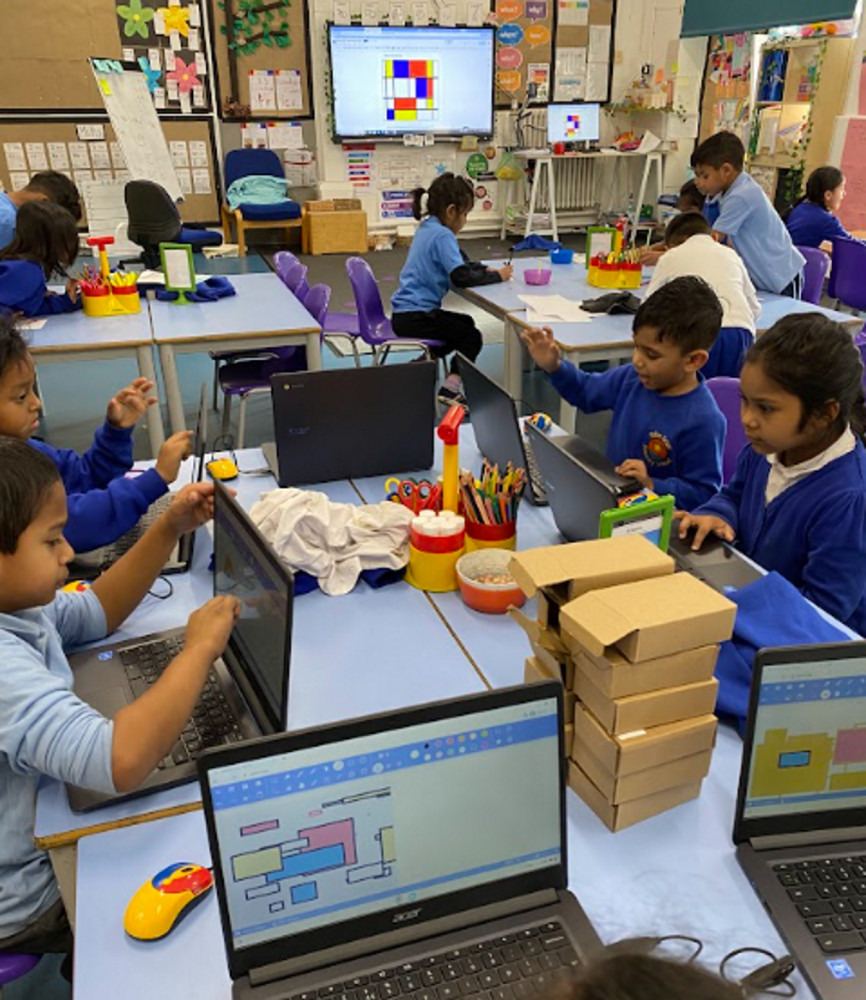
- Autumn 2: Creating media (A)
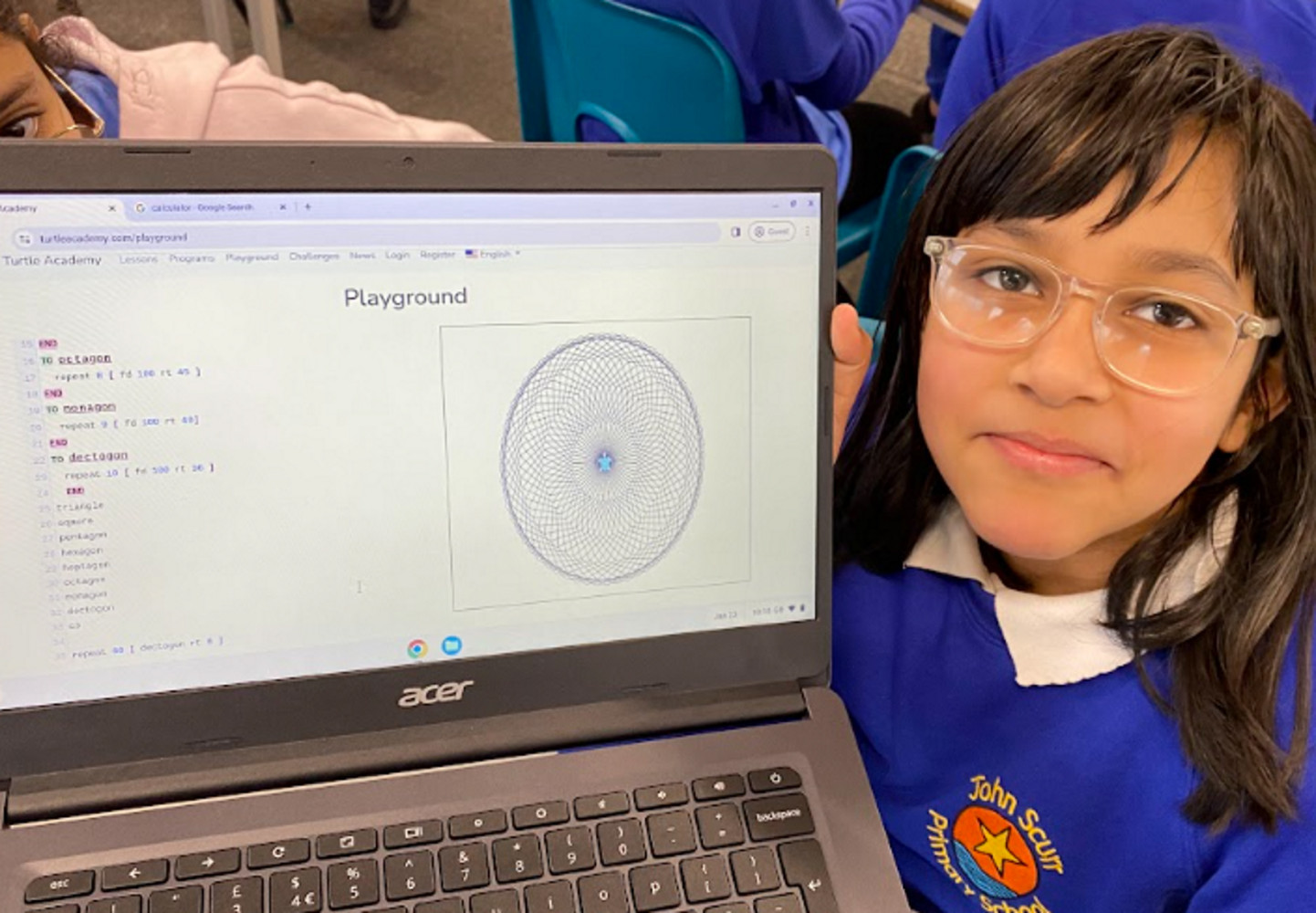
- Spring 1: Programming (A)
- Spring 2: Data and information
- Summer 1: Creating media (B)
- Summer 2: Programming (B)
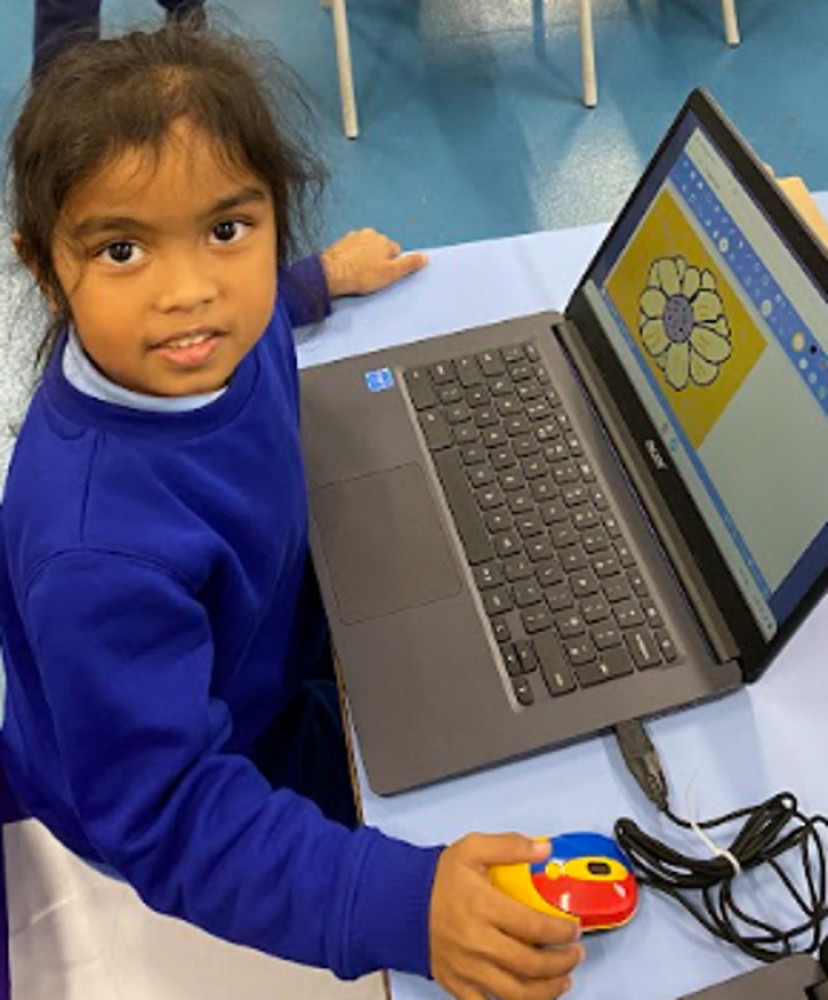
All year groups are taught one computing lesson per week by our computing specialist teacher, Jack Fernie. This is taught as part of the PPA offer at John Scurr.
We follow the Teach Computing curriculum from the National Centre for Computing Education (NCCE). The curriculum is inclusive and ambitious. Where appropriate, activities are scaffolded so that all pupils can succeed and thrive. Scaffolded activities provide pupils with extra resources, such as visual prompts, to reach the same learning goals as the rest of the class. Exploratory tasks foster a deeper understanding of a concept, encouraging pupils to apply their learning in different contexts and make connections with other learning experiences.
How Do Pupils Learn?
We follow the pedagogical approach from the NCCE, which consists of 12 key principles underpinned by research:
- Lead with concepts
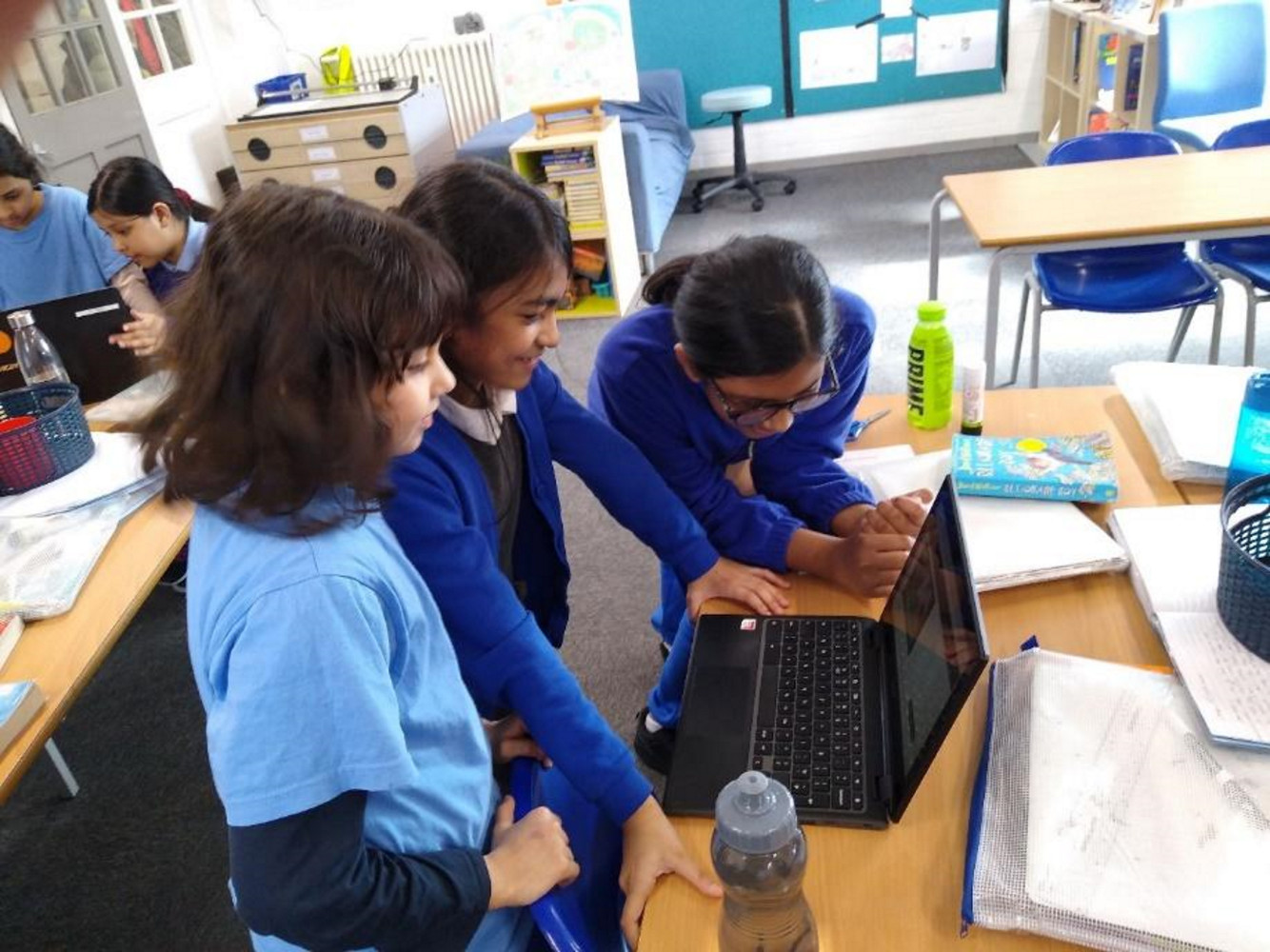
- Work together
- Get hands on
- Unplug, unpack, repack
- Model everything
- Foster program comprehension
- Create projects
- Add variety
- Challenge misconceptions
- Make concrete
- Structure lessons
- Read and explore code first
The majority of assessment is done formatively, during lessons. Children complete e-books to chart their progress through a unit. We also use quizzes for summative assessment of children’s understanding of a topic.
How Does The Curriculum Progress?
Progression within the computing curriculum is cumulative, meaning children build on their prior knowledge each year. Every year group learns through units within the same four themes, meaning their understanding of programming, for example, gets more complex as they get older. This progression is evidenced in each student’s e-book, which travels with them as they move up the school. Finally, each lesson within a unit is sequenced so that it builds on the learning from the previous lesson.
Celebrating Technology
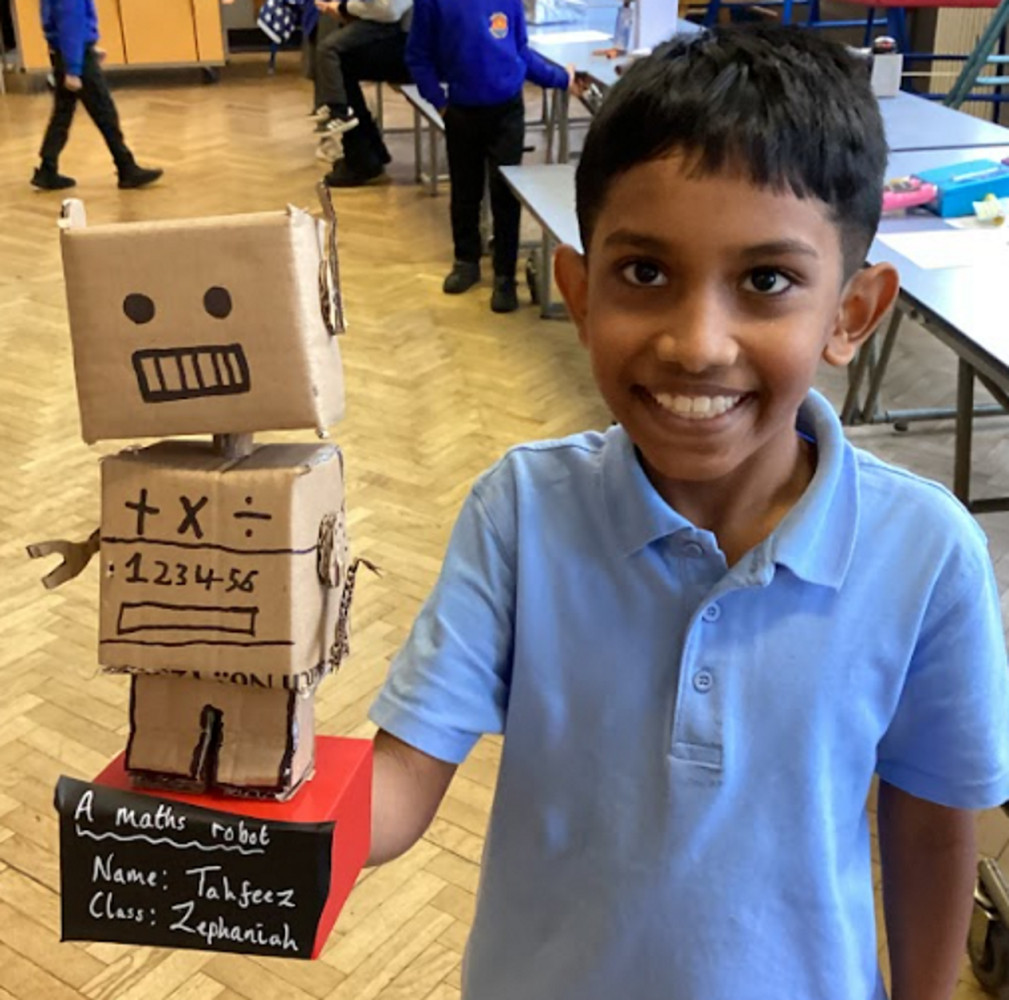
Talented and enthusiastic students have the opportunity to join our after-school coding club, also run by Jack. Additionally, we are run termly ‘Tech challenges’, where students across the school can enter a technology-themed competition, with a judging process and prizes for the best entries. We want to encourage our talented computing students to aspire to be the best.